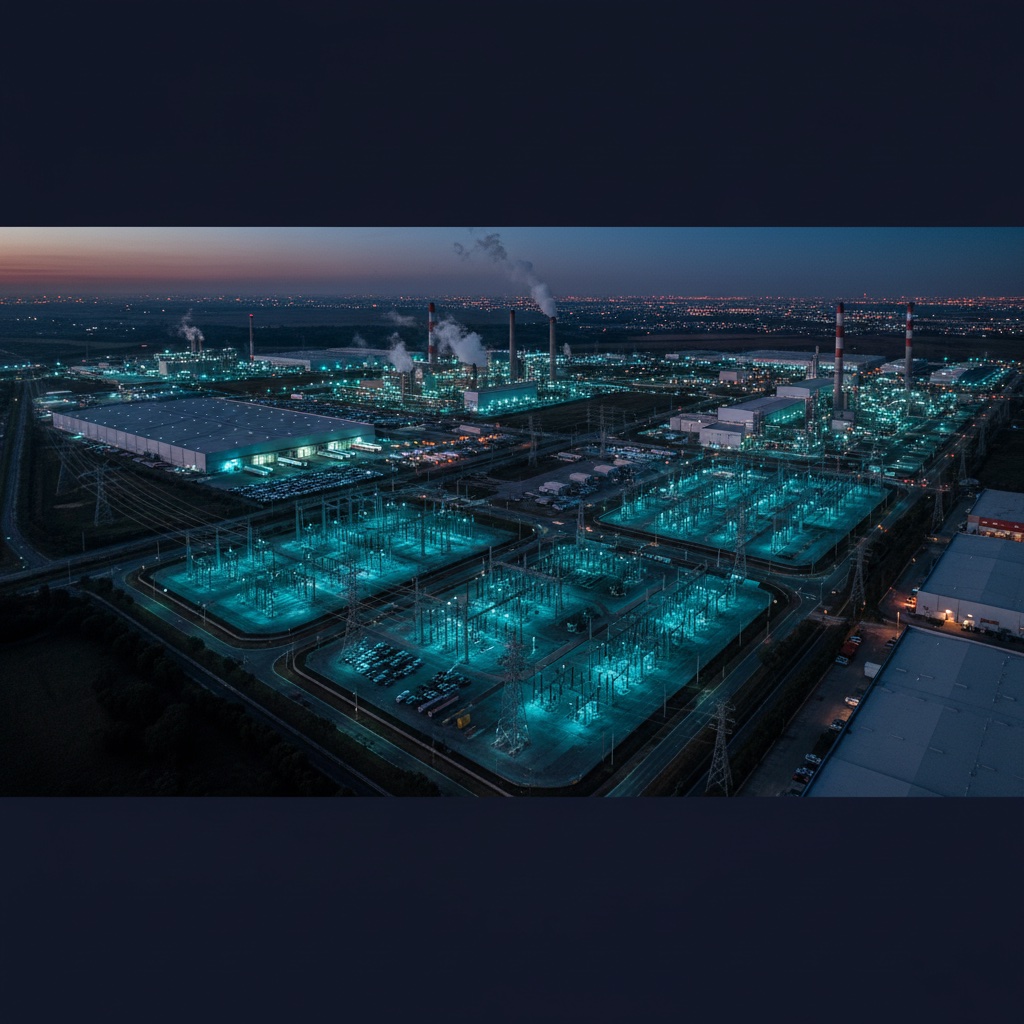
Energy Management for the Wholesale Electricity Market (MEM) in Mexico is one of the most underrated levers in the operational strategy of large industrial consumers. For a company with demand above 1 MW —that is, eligible to participate as a Qualified User— the difference between managing energy as just another commodity or as a strategic asset can represent between 15% and 30% of the total electricity cost each year.
The right process is not just signing a contract with a Qualified Supplier: it includes analyzing hour-by-hour demand profiles, renegotiating contract terms, implementing real-time monitoring systems, executing efficiency measures, and maintaining regulatory compliance. Each component, on its own, leaves savings on the table. Integrating all five is what produces sustained, verifiable savings.
A real case illustrates the point: a company with operations in three states and 45,000 MWh of annual consumption sustains, thanks to our weekly evaluation of nominations since 2020, savings of MX$24 million in 2024 alone, by mitigating the deviations that would otherwise turn into additional charges (see the Northeast Multi-site case).
What Is the MEM and Why Is It Relevant to Your Company?
The Wholesale Electricity Market (MEM) is the platform where large blocks of energy are bought and sold in Mexico. Its relevance for high-consumption industries lies in two structural factors:
- A competitive market: Unlike a fixed CFE tariff, in the MEM supply and demand determine energy prices hour by hour. This allows companies with active management to access lower costs and more efficient procurement structures.
- Qualified Users: If your company has a demand equal to or greater than 1 MW, it is considered a Qualified User. This gives you the freedom to choose your electricity provider (Qualified Services Supplier) and negotiate a contract tailored to your operational needs, instead of depending on the regulated tariff.
The 5 Key Components of Energy Management in the MEM
Having a contract in the MEM does not guarantee savings. Strategic, sustained management is made up of the following fundamental elements working together:
1. Energy Audit and Consumption Analysis
This is the initial diagnosis that reveals true performance. The consumption profile and patterns are analyzed in detail to identify high-cost hours, the tariff structure of the current contract, and whether the supplier's billing matches what was agreed. This is the map that reveals real savings opportunities —and rules out the imaginary ones.
2. Monitoring, Measurement, and Energy Management Systems (EMS)
Implementing an Energy Management System —typically under the Utility Data Management (UDM) scheme— is crucial. It enables real-time monitoring of consumption (24/7), establishes KPIs to measure performance, and facilitates active demand management, ensuring that every adjustment translates into measurable savings.
3. Energy Efficiency Strategies
Adopting measures to optimize energy use without affecting productivity. This ranges from operational adjustments to reduce consumption during peak hours to upgrading critical equipment, all based on the data collected by the EMS. Well-executed efficiency multiplies the effect of a good contract.
4. Negotiation and Renegotiation with Suppliers
Based on the audit, companies can strategically renegotiate their contract to secure a more competitive price, incorporate flexibility clauses or, if necessary, transition to a new Qualified Supplier. It is recommended to start this process 18 months before the current contract expires in order to have real negotiating power; when and how to approach that window is detailed in when to renew the Qualified User contract.
5. Renewable Energy Integration and Compliance (CELs)
Modern management includes analyzing options for contracting renewable energy, which offer stable long-term prices. In addition, compliance with Clean Energy Certificates (CELs) is managed, which reduces the carbon footprint and improves corporate ESG reporting.
Measurable Benefits of Good Energy Management in the MEM
Implementing a comprehensive strategy through an independent partner like Enerlogix Solutions translates into concrete results:
- Direct cost savings: a significant reduction in energy spend that directly impacts the profitability of the business.
- Improved competitiveness: by reducing one of the largest operating costs, the company strengthens its market position.
- Reliable, optimized supply: continuity of supply is guaranteed through planning aligned with the real needs of the operation.
- Contribution to sustainability: the carbon footprint is actively reduced and a tangible environmental commitment is demonstrated, meeting ESG criteria.
- Financial certainty: an optimized contract and proactive management provide long-term cost predictability.
Take Control: From Energy Spend to Competitive Advantage
The complexity of the Wholesale Electricity Market is a fact, but energy costs do not have to be a source of uncertainty. Enerlogix's mission is to give you the clarity, technology, and strategy you need to stop reacting to the market and start leading your consumption.
We turn your largest operating cost into one of your smartest and most sustainable competitive advantages, ensuring that every peso invested in energy works in favor of your profitability. Learn about our service for Qualified Users if your company already qualifies for the MEM.
Active management in the MEM is one of the four pillars of industrial energy management, the system that articulates data, measurement, audit, and market.
The path to optimization begins with a conversation. Contact us for a no-obligation initial evaluation of your current situation.
Frequently asked questions
For a company with demand above 1 MW, managing energy as a strategic asset instead of a commodity can represent between 15% and 30% of the total electricity cost each year. The savings do not come solely from signing a contract, but from integrating audit, monitoring, efficiency, renegotiation, and regulatory compliance on a sustained basis.
Your company needs a demand equal to or greater than 1 MW to be considered a Qualified User. That status gives you the freedom to choose your electricity provider, a Qualified Services Supplier, and negotiate a contract tailored to your operation instead of depending on CFE's regulated tariff.
It is recommended to start the process 18 months before the current contract expires in order to have real negotiating power. Based on the energy audit, you can secure a more competitive price, incorporate flexibility clauses, or transition to a new Qualified Supplier if the case justifies it.
There are five components that work together: energy audit and consumption analysis, real-time monitoring through an Energy Management System, efficiency strategies, negotiation and renegotiation with suppliers, and integration of renewable energy with compliance of Clean Energy Certificates. Each one on its own leaves savings on the table; integrating all five produces sustained and verifiable savings.
Clean Energy Certificates are part of modern management that includes analyzing options for contracting renewable energy, which offer stable long-term prices. Managing CELs compliance reduces the company's carbon footprint and improves corporate ESG reporting, adding environmental certainty to financial certainty.