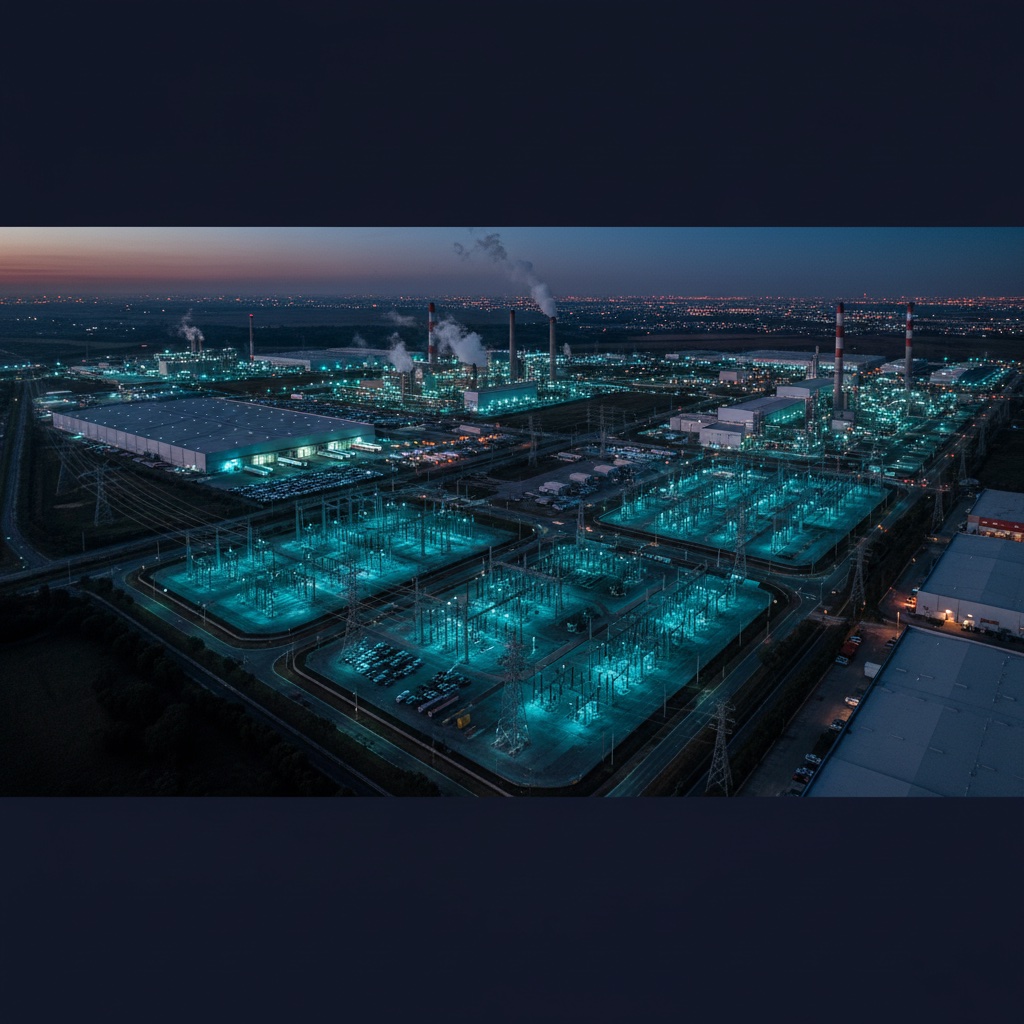
In the automotive industry, precision isn't limited to the assembly line; it must extend to input management. For a plant operating under the Qualified User scheme (more than 1 MW of contracted demand), an error in the energy consumption forecast isn't a technical detail: it's a direct hit to EBITDA.
The Hidden Risk: The "Tolerance Band"
Many contracts in the Wholesale Electricity Market (MEM) include tolerance band clauses —commonly between ±3% and ±10%—. If your plant consumes more or less than projected outside that margin, the supplier applies deviation charges that can add up to millions of pesos per year.
In a Just-in-Time manufacturing environment, where shifts can vary with the global demand of the OEMs, keeping consumption within that band is practically impossible without active and neutral management of the contract.
Case Study: Consumption Optimization and Cost Reduction
Enerlogix recently implemented a strategy for a large automotive consumer in Northeast Mexico facing this exact challenge. It is one of our case studies with verified savings.
The Challenge
The client had a contract that allowed monthly adjustments, but with a very narrow tolerance band (±3% to ±10%). Any error in the energy nomination resulted in punitive charges from the supplier.
The Enerlogix Strategy
As independent and neutral advisors, we designed a dynamic nomination plan. Instead of letting the supplier bill based on its default projections, we used our data technology to make precise month-to-month adjustments, working in favor of the flexibility allowed by the contract.
The Results
- Penalty mitigation: had it not acted, the client would have paid MX$6,376,020 in deviation charges alone. With our management, the cost dropped to MX$4,405,757.
- Avoided cost: we prevented an unnecessary expense of nearly 2 million pesos in penalties.
- Comparative efficiency: the client achieved 21% average savings compared to the CFE Basic Supply tariff.
Why the Automotive Industry Needs an Independent Advisor
Unlike a supplier that seeks to sell its block of energy, Enerlogix acts as an energy auditor whose sole interest is the financial health of your plant.
1. Neutrality in Nomination
A supplier will rarely tell you how to adjust your projections so they charge less in penalties. As neutral consultants, we audit the real behavior of your plant and "calibrate" the contract continuously.
2. 360 Visibility (Utility Data Management)
For AAA companies, energy cannot be a "black box." This visibility is part of active energy management in the MEM that goes beyond signing a contract. The UDM platform allows you to:
- Reconcile invoices: validate that every demand and energy charge is correct.
- Budget certainty: project real expenses for the close of the fiscal year, with no surprises from regulatory changes in 2026.
3. Advisory on the New Energy Reform
With the creation of the National Energy Commission (CNE) and the changes of the 2025 Energy Reform in the Electricity Industry Law, the CFE "prevalence" rules could alter the benefits of current contracts. Having an ally that does not sell energy, but rather defends your contract, is the best corporate governance strategy.
Conclusion: From Cost Center to Competitive Advantage
For an automotive plant in Mexico, success in 2026 doesn't depend only on how many units leave the line, but on how efficient the cost structure behind them is. The Northeast case study demonstrates that proactive risk management is the difference between losing millions in penalties or gaining competitiveness in the global market. Another example of the same approach is documented in the manufacturing case that saved 28% by migrating to the MEM.
Do you know how much your plant is paying today for deviations in its consumption? At Enerlogix we perform an initial audit of your current contract, within our service for Qualified Users, to identify capital leaks and optimize your strategy in the MEM.
Talk to an Enerlogix specialist and shield your energy budget today.
Frequently asked questions
It is the allowed variation margin between the energy you projected to consume and what you actually used, commonly between plus minus 3% and plus minus 10%. If your plant consumes above or below that margin, the supplier applies deviation charges that can add up to millions of pesos per year. In Just-in-Time manufacturing, where shifts vary with the global demand of the OEMs, staying within the band is nearly impossible without active management.
In the case of a large automotive consumer in Northeast Mexico, had it not acted the client would have paid 6,376,020 pesos in deviation charges alone. With Enerlogix's dynamic nomination management the cost dropped to 4,405,757 pesos, avoiding an unnecessary expense of nearly 2 million pesos in penalties. The difference between losing or keeping that capital lies in calibrating the contract month to month.
It is a strategy in which, instead of letting the supplier bill based on its default projections, precise energy nomination adjustments are made month to month, taking advantage of the flexibility the contract allows. It relies on data technology that audits the real behavior of the plant to keep consumption within the tolerance band and avoid punitive deviation charges.
The Northeast client achieved 21% average savings compared to the CFE Basic Supply tariff. The result combined a well-negotiated contract with active management of deviations through dynamic nomination. As the case shows, it is indeed possible to sustain savings above 20% when the contract is managed proactively and neutrally instead of leaving it on autopilot.
Because the supplier sells its block of energy and will rarely tell you how to adjust your projections so it charges less in penalties. An independent and neutral advisor acts as an energy auditor whose sole interest is the financial health of your plant: it reconciles invoices, validates every demand and energy charge, calibrates the contract continuously, and helps you navigate the changes of the reform and the new National Energy Commission.
We ensure the plant meets the technical connection and power-quality requirements demanded by the Grid Code. This avoids fines from the CRE or the new National Energy Commission, which can be proportional to the company's revenue. In an automotive plant, where loads and shifts vary, maintaining continuous compliance is key to not exposing EBITDA to avoidable penalties.
Sector planning becomes binding, which implies greater state control and possible CFE prevalence rules that could alter the benefits of current contracts in the Wholesale Electricity Market. Having an independent advisor that does not sell energy but rather defends your contract helps navigate these changes and ensure your supply suffers neither interruptions nor arbitrary increases.